5,000+ Mechanics and DIYers Stopped Burning Their Heat Shrink Tubing. This Is the Tool They Switched To.

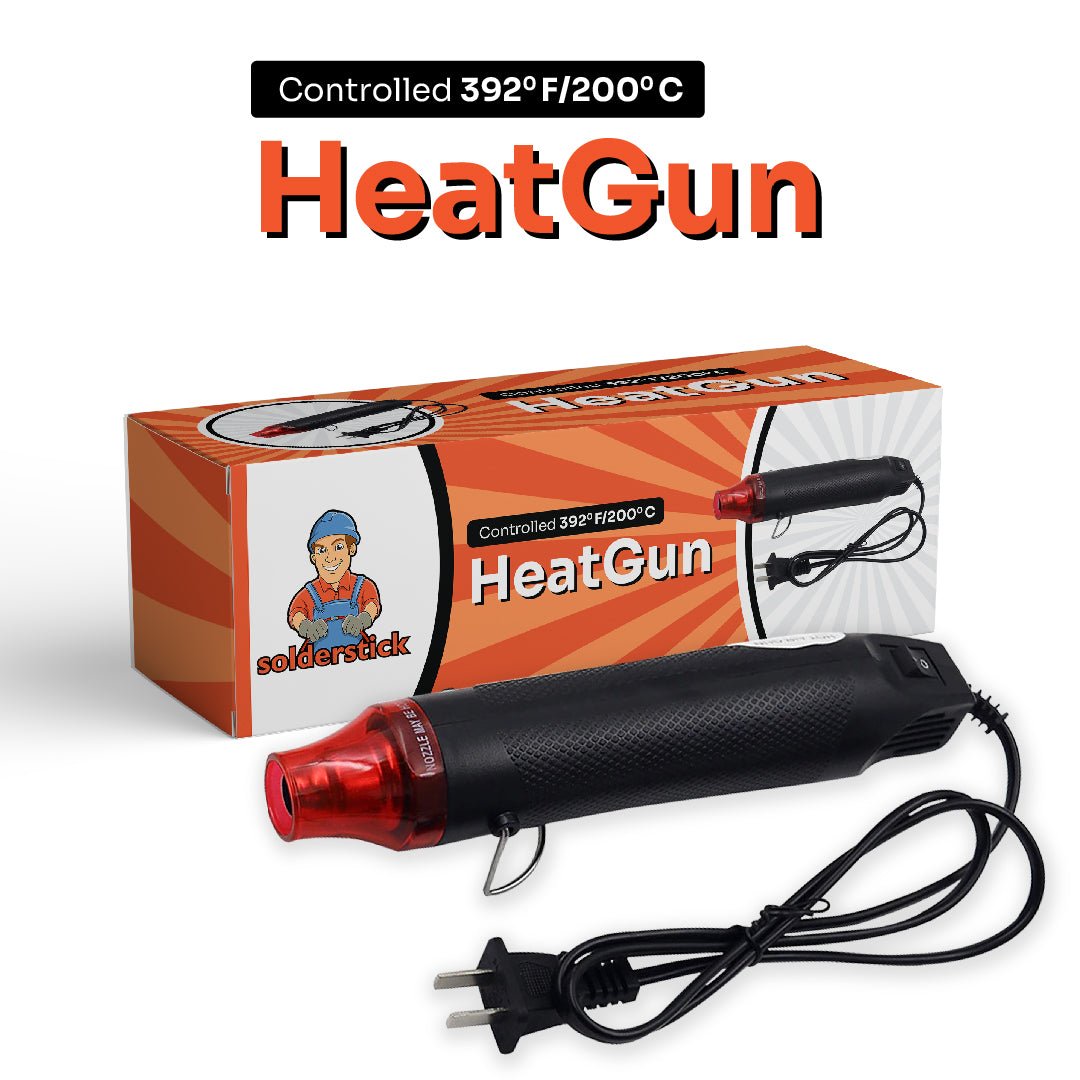
The SolderStick Heat Gun uses calibrated temperature control and adjustable airflow to shrink tubing cleanly without the open-flame guessing and oversized hot spots that ruin detail work.

4.6 Stars$39.99Free Shipping30-Day Guarantee
hook

If your tubing keeps failing, the problem is usually the heat source

Most people do not buy heat shrink tubing because they enjoy redoing clean-looking work. They buy it because they want the finish to tighten, seal, and disappear into the job.

That is what makes the failure so annoying. A connection can look almost right while still telling you the process was wrong. Browned edges. Uneven shrink. Gaps at one side. Sleeve pulled too hard in the middle. A connector that looks sealed until you flex it.

All of that usually traces back to one issue: uncontrolled heat.

That is the part most pages skip. Most owners already believe in heat shrink tubing. They do not need education on why it exists. They need a better explanation for why the result still looks sloppy.

problem

Why torches, lighters, and oversized shop guns keep ruining the finish

Open flame is the obvious villain. A lighter is far too hot, far too concentrated, and far too dirty for precision shrink work. You might get away with it once. Over time it teaches bad habits.

But large generic heat guns cause their own version of the same problem. They are often built for stripping paint, loosening adhesive, or blasting broad surfaces. When you bring that kind of airflow and heat profile to small tubing, you create avoidable problems:

  • one side gets too much heat before the rest of the sleeve catches up
  • the tubing shifts under aggressive airflow
  • nearby insulation and plastic start taking collateral heat
  • you move the tool around nervously because the dial has no labeled preset to anchor to

That is what the category gets wrong. People think they are choosing between slow heat and fast heat. In reality they are choosing between controlled heat and wasteful heat.

mechanism

What changes when temperature and airflow are both under control

The SolderStick Heat Gun fixes the heat shrink problem with the two controls that matter most.

Calibrated 570°F and 1100°F presets. Two fixed-point settings cover the range heat shrink tubing and solder seal connectors actually want, with no guessing from a switch or a vague dial.

Variable air speed. On smaller sleeves, calmer air is often the difference between a neat seal and a sleeve that gets pushed out of shape while you heat it.

That is why buyers keep using wording that points to process, not hype:

"This solder sleeve works exactly how it is described."
"After about 5 seconds the rubber material started to shrink. At about 9 seconds the solder melted."

Those quotes are useful because they describe a visible sequence. The tubing starts shrinking. The joint tightens. The center activates. The seal finishes.

When the tool is controllable, the work starts looking like a repeatable procedure instead of a small gamble every time you pull the trigger.

size_specific_guidance

Why tubing size changes the whole job

One reason buyers get frustrated is that they assume heat shrink is one universal material. It is not. A thin signal-wire sleeve and a thicker harness sleeve may both be called heat shrink, but they do not react the same way under the nozzle.

Small diameter tubing reacts quickly and punishes heavy airflow. That is where lower air speed and calmer movement matter most.

Larger diameter tubing needs a little more patience and a little more distance so the outer layer does not take all the heat before the rest of the material catches up.

That is also why digital control makes so much sense in this angle. The moment you move between sizes, you stop wanting a binary tool. You want something that lets you make smaller adjustments instead of choosing between too much and not enough.

This is especially important for buyers who mix jobs. Trailer wiring one hour. Accessory harness the next. A solder seal connector after that. The same gun can handle all of it if the heat and airflow are adjustable enough to follow the material rather than bully it.

solution

Why this is a better buy than just grabbing another generic gun

The price matters because buyers searching this already know the problem. They do not want a long theory lesson. They want the fix without overbuying.

At $39.99, the SolderStick Heat Gun gives you the feature set that solves the common heat shrink failures:

  • calibrated preset so you can stop guessing
  • adjustable airflow so smaller sleeves stay stable
  • corded consistency so one job feels like the next
  • overheat protection so the tool stays dependable

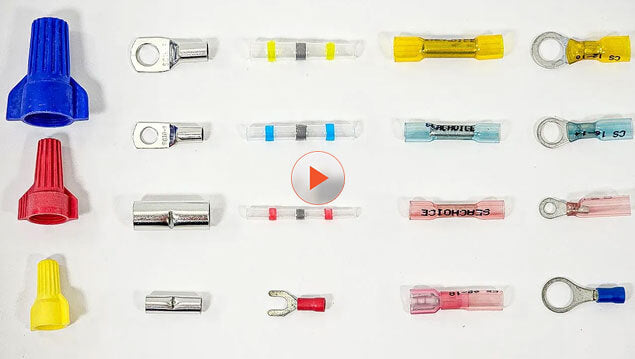
It also crosses over well into the jobs people usually pair with heat shrink tubing anyway: solder seal connectors, trailer splices, marine repairs, sensor wire, speaker wire, and general electrical cleanup.

That is the real return on the tool. One unit for the entire class of precision heat jobs most buyers are actually doing.

Not the biggest gun in the shop. Not the cheapest anonymous gun online. Just the one that is easier to trust on the work where finish quality matters.

failed_alternatives

The three bad habits this tool helps break

The first bad habit is using open flame because it feels fast.

The second bad habit is overbuying a massive shop gun because it feels safer than a smaller one.

The third bad habit is blaming yourself every time the finish looks uneven, as if the tool had nothing to do with it.

All three habits are really attempts to solve the same problem: you want the tubing to respond predictably. Open flame does not. Oversized blast heat does not. Guessing does not.

The SolderStick approach helps because it turns the job back into something measurable. Once you can see the set point and tame the airflow, you stop relying on workarounds.

That matters more than people think because most owners are not trying to become heat-shrink hobbyists. They just want to do the repair once and stop feeling amateurish every time a sleeve comes out ugly.

Proof

What buyers say

Work excellent! Seal AND solder wires together!

Verified Buyer

After about 5 seconds the rubber material started to shrink. At about 9 seconds the solder melted.

Verified Buyer

This solder sleeve works exactly how it is described.

Verified Buyer
proof_interpretation

How to interpret the proof on a heat shrink page

The best evidence here is procedural. Reviews that describe exactly what happened are stronger than generic applause.

When a customer says the sleeve worked exactly as described, that matters because the claim is visual and testable.

When a buyer describes the shrink happening first and the solder melting second, that matters because it shows the tool is helping the process unfold in the right order.

The higher-level proof still matters too: 5,000+ verified reviews, 50,000+ customers, creator endorsements, and the guarantee. But those big numbers work best when they sit on top of specific observations, not instead of them.

That is why both kinds of proof matter here. Broad trust from the review volume. Narrow trust from the way actual users describe the finished result.

urgency

Why many buyers pair it with solder seal connectors

The heat gun works well with standard heat shrink tubing on its own. But many buyers end up pairing it with SolderStick connectors because the same control that cleans up a sleeve also makes the connector workflow easier to trust.

That is where the IP67 waterproof rating becomes relevant. When used with SolderStick connectors, the finished connection is built to keep moisture out, which is why the system keeps showing up in automotive and marine repairs.

So even if this page starts with tubing, the practical next step is often the broader precision-heating toolkit: tubing, connector sleeves, and one controlled heat source that handles all of it.

Objection

Do I really need a better heat gun just for tubing?

If you do one large, forgiving heat job a year, probably not. But if you work with smaller sleeves, mixed wire sizes, or solder seal connectors often enough to notice uneven finishes, then yes, the tool matters. The upgrade is not about collecting gadgets. It is about removing one of the biggest causes of wasted sleeves and second attempts.

Why it still holds

  • Calibrated 570°F / 1100°F dual-temp settings
  • Adjustable air speed
  • 5,000+ verified reviews
  • 4.6 star average

The most useful reviews here describe cleaner process, not just nicer features.

methodology

The actual working method for clean tubing results

Once buyers move past the idea that more heat is always better, the method gets simpler.

Set the temperature based on the tubing or connector size. Keep the airflow as low as the job allows. Start at the center. Rotate the heat. Let the material show you when it is finished.

That last point matters because many people treat heat shrink like a race. They keep applying heat because they assume more is safer than less. In practice, the cleanest finish usually comes from stopping at the first correct endpoint, not from chasing a perfection that turns into scorching.

The SolderStick Heat Gun makes that easier because it gives you a readable number and calmer airflow. Those two things slow the job down in the right way. Not slower as in tedious. Slower as in deliberate enough that the tubing can respond evenly instead of getting bullied by the tool.

use_case_depth

Why this matters so much in automotive and marine wiring

Heat shrink quality matters most when the environment punishes imperfections.

On a sheltered indoor bench, a slightly ugly sleeve might still survive.

In a car, trailer, or boat, a bad-looking sleeve is often warning you about a bad process. Moisture, vibration, and heat cycling expose lazy splices quickly.

That is why this case keeps circling back to professional-looking results. It is not just vanity. A clean finish is often the easiest visual clue that the process was correct.

That is also why buyers who have already redone the same splice become very receptive to better tools. They are not chasing perfection for its own sake. They are chasing confidence that the repair will not come back and waste another Saturday.

decision_summary

The simple decision test

If your current heat source already gives you clean, even tubing and trustworthy seals, you do not need this angle.

If it keeps making good materials look badly installed, then this is for you.

That is the easiest way to think about the upgrade. You are not buying more heat. You are buying the end of a specific kind of waste and frustration.

This is what makes the case stronger than a generic product pitch. You already know the materials can work. The case is simply naming the bottleneck: uncontrolled heat. Once that bottleneck is named, the path forward feels much less emotional. Better control. Better finish. Less redo. That is a practical upgrade story, not copy inflation.

## The finish tells you if the heat was controlled

A lot of people think heat shrink tubing is either shrunk or not shrunk. In practice there is a huge difference between a sleeve that merely tightened and a sleeve that finished cleanly. Controlled heat gives you an even, glossy collapse around the wire instead of a sleeve that puckers on one side, traps a gap near the end, or overheats before the adhesive and insulation settle into place.

That is why people who do harness cleanup, trailer rewires, and under-dash repairs end up caring about more than raw heat. They care about staying on the job long enough to move the tool slowly, rotate the wire if needed, and let the tubing reduce evenly instead of blasting one point until it wrinkles. Smaller tubing, thinner wall shrink, and detail work around nearby plastic all reward the same habit: use only the heat you need, then keep it consistent.

The calibrated preset and adjustable airflow matter because they let you repeat that finish on the next splice instead of re-learning the tool every time. When the tubing looks uniform all the way around, strain relief improves, the connection looks more professional, and you stop cutting pieces off to start over.

30 days

30-Day Money-Back Guarantee

If the SolderStick Heat Gun does not give you cleaner, more controlled heat shrink results than the tool you are using now, return it within 30 days for a full refund.

Offer

Heat shrink tubing gets easier when the tool stops fighting you.

The SolderStick Heat Gun gives you calibrated 570°F and 1100°F presets, calmer airflow, and a low-risk $39.99 price point for the heat jobs where finish quality matters.

  • 5,000+ verified reviews
  • 4.6 star average
  • Calibrated 570°F / 1100°F dual-temp settings
  • Adjustable air speed
  • IP67 waterproof connections with SolderStick connectors

Free shipping. 30-day money-back guarantee.

Get the SolderStick Heat Gun
Get the Heat Gun, $39.99