


 4.6 Stars | 5000+ Reviews

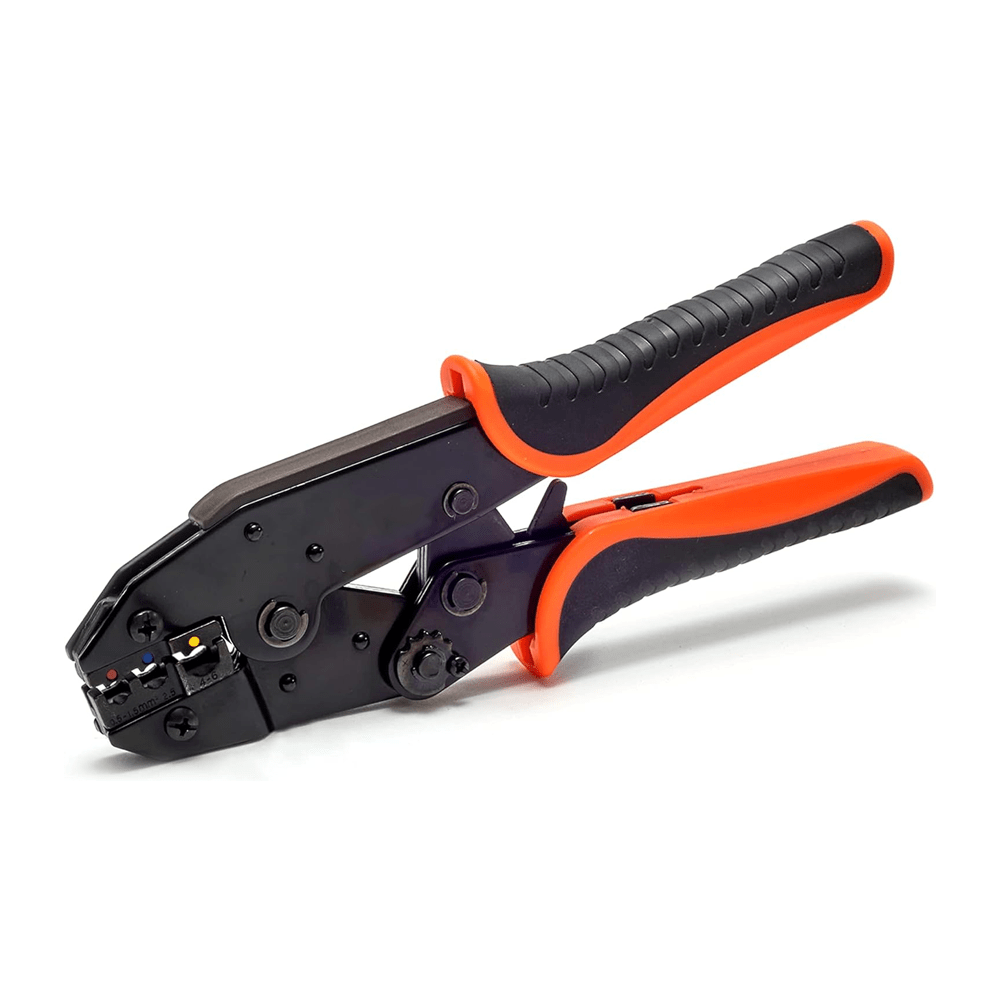
Wire Crimping Tool
Wire Crimping Tool
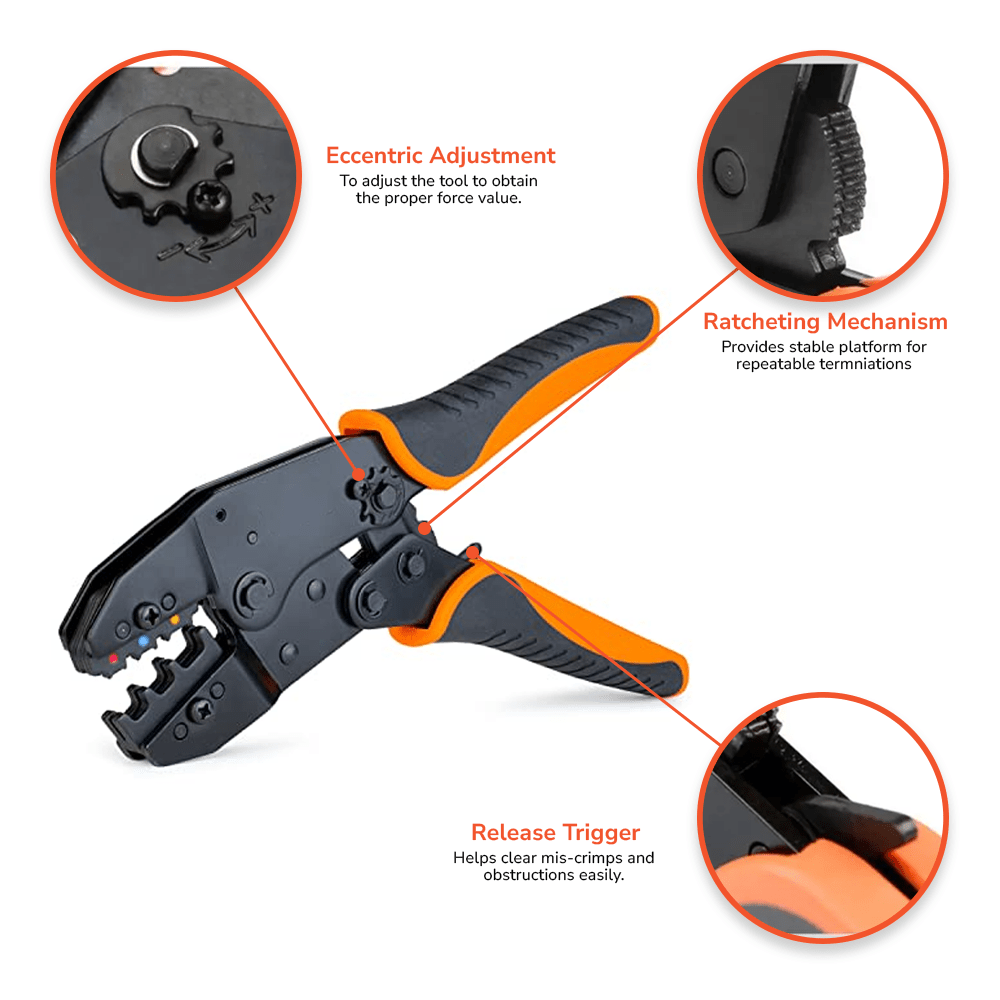
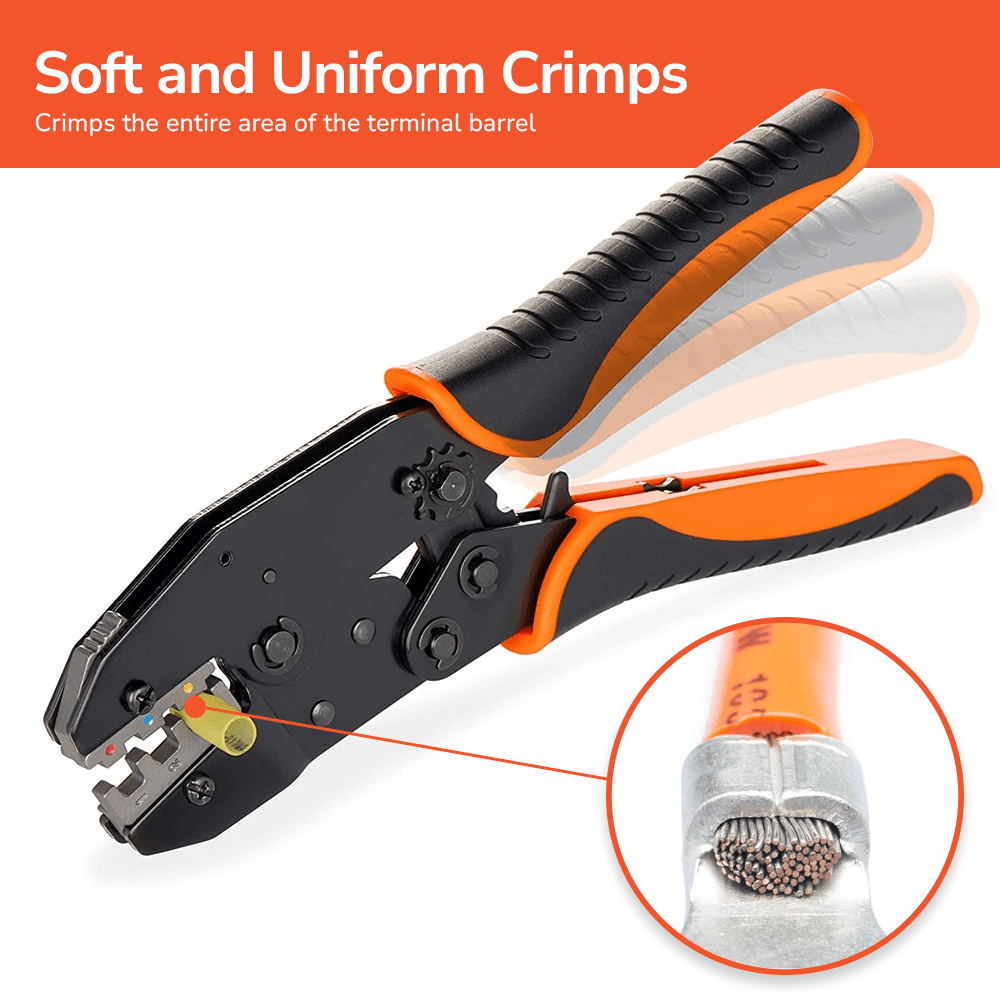
 Adjustable ratchet mechanism
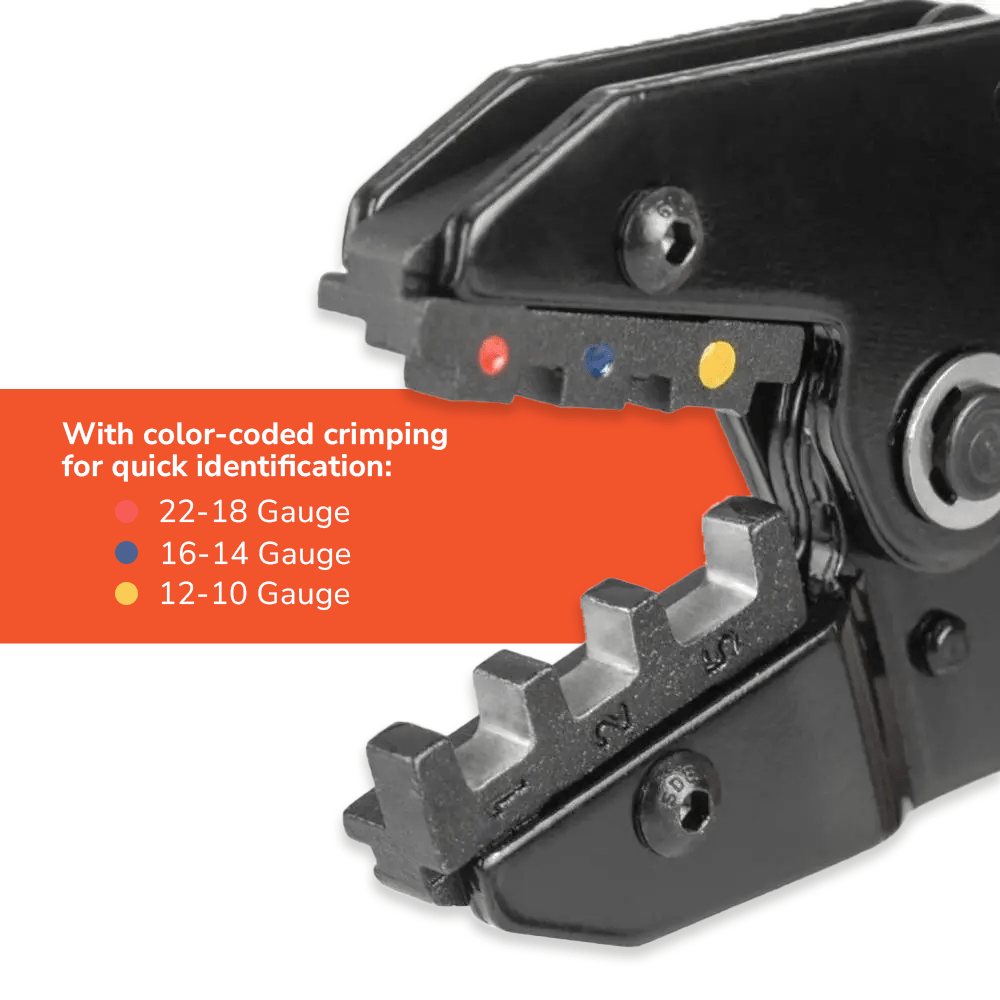
- Precision dies, insulated and bare
- Carbon steel jaws

 In stock - Ships On Monday, September 28
-

Free Worldwide Shipping
-

30 Day Money Back Guarantee
-

24/7 Customer Support


AS FEATURED IN


Why pliers aren’t enough
 Crimping Tool
 Pliers


Frequently Asked Questions
Because a plier crimper gives you whatever pressure your hand happened to have that day. A ratchet will not release until the crimp is complete, so every terminal gets the same full compression – which is what stops a connection working loose six months later, usually inside a loom.
Insulated and non-insulated terminals, on both solid and flexible conductors – the standard crimp terminals used in automotive and household wiring.
Yes. The ratchet tension can be adjusted, so you can dial the crimp in if a particular terminal wants more or less compression.
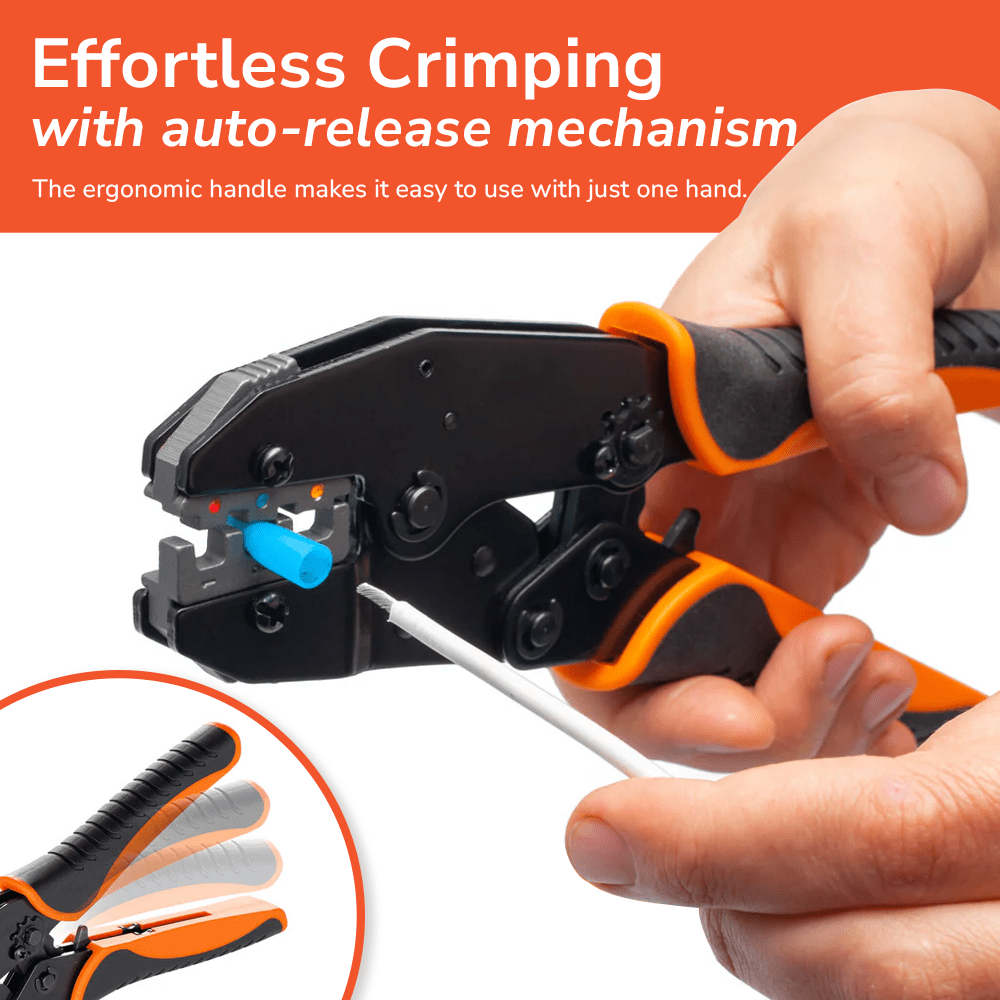
Pull it. A correct crimp will not come off the wire, because the terminal has deformed around the strands rather than pinching them. The ratchet takes care of the pressure – all you have to do is seat the terminal squarely in the matching die before you squeeze.
Carbon steel jaws and precision-machined dies. The dies are the part that wears out on a cheap crimper and quietly starts giving you loose terminals – that is where the money in this tool has gone.
Yes – this is a crimper. Strip the wire first, seat the terminal in the matching die, and squeeze until the ratchet lets go.
If you crimp two terminals a year, honestly, probably. If you have ever had a connection fail somewhere in a loom and had to go and find it, this is the tool that stops that happening – and it will outlast several cheap ones.
3–5 business days in the USA, and 7–10 business days everywhere else.
If you are not completely satisfied, we will make it right. Every SolderStick product is covered by a 30-day money-back guarantee, and our support team is there if you need them.